
Two Hundred Fifty Years of the United States. What Are We Actually Celebrating?
This summer, the United States celebrated its 250th year. It’s time to be honest about democracy in practice, while the house is on fire.

Individual Fundraising Won't Sustain Your Nonprofit. Read This Before You Launch Your Next Campaign.
When everything is on fire, most nonprofits run toward donors. They soften their messaging, schedule extra funder coffees, and make the work smaller so the money feels safer. And they call it pragmatism. But donor-centric fundraising in a political crisis doesn't protect your community — it protects your donors' comfort. Those are not the same thing. This piece makes the case for Community-Centric Fundraising not as a luxury model for stable times, but as the framework built precisely for moments like this one — and what it actually looks like to practice it right now.

Are You That White Ally? A Guide to Spotting (and Stopping) White Narcissism
You've probably heard of white fragility, that defensiveness that emerges when white folks are confronted with racial stress. White narcissism is like white fragility's older relative, who not only gets defensive but also manages to make the entire situation about themselves while claiming to be helpful.
White narcissism in allyship shows up when someone is so invested in seeing themselves as "one of the good ones" that they actually end up causing harm to the very people they claim to support. Read on to learn more about what this looks like.

Striving for Liberatory Supervision: Reflections from the Field
Here's something we don't talk about enough: most of us became supervisors without anyone teaching us how.
We cobble together a style from memory — borrowing what felt good, trying to leave behind what hurt us. But without intentional reflection, habit and history can quietly take the wheel.
Our newest piece shares what came up in this year's Liberatory Supervision Cohort — the barriers, the antidotes, and the ongoing practice of leading with care.
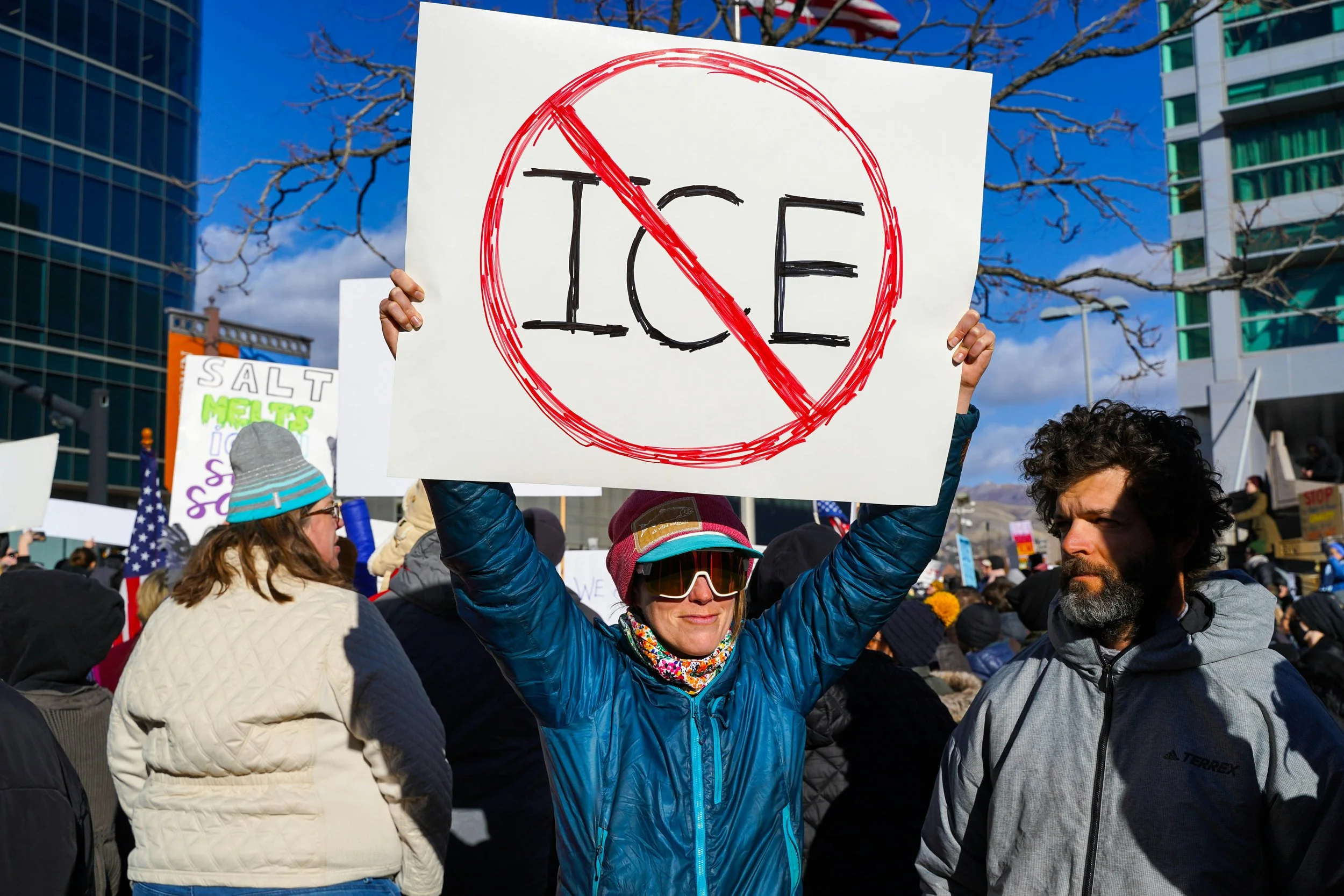
If You're Not an Immigrant, You Don't Know What It's Like—Here's Why That Matters
Most well-meaning people think they understand the immigrant experience. They empathize. They sympathize. They read articles, watch documentaries, nod along when immigrants share their stories. But as our Co-Founder, Jess, writes, empathy and understanding are not the same as embodiment. They're not the same as living it in your bones. In this urgent reflection written amid escalating ICE raids and state violence, Jess challenges non-immigrants to move beyond empathy into co-conspiracy—because immigrant communities don't need an audience. They need people willing to risk something real.
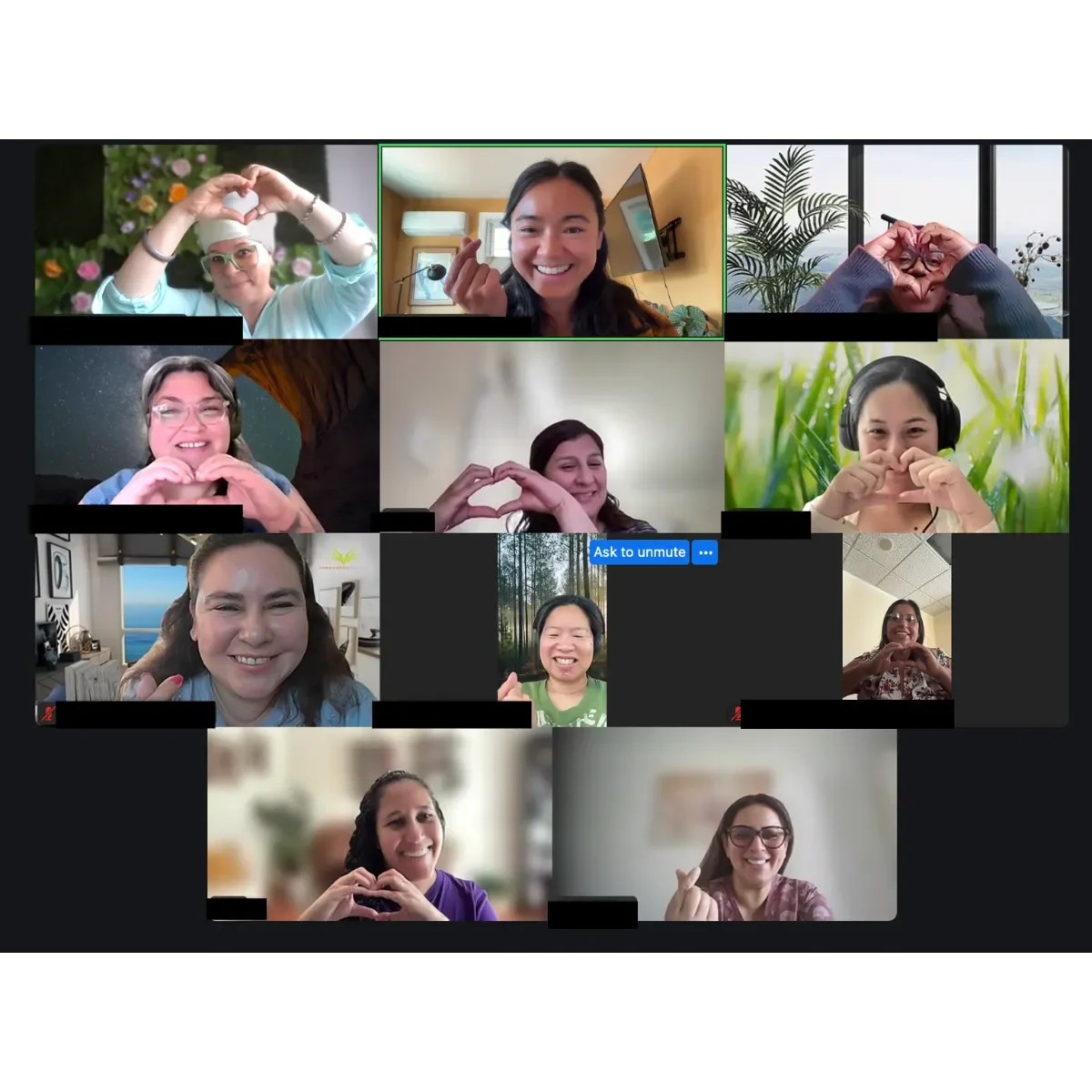
Reflections from Our Building Bridges Cohort: Leading with Connection and Care in Times of Uncertainty
We recently wrapped up our Building Bridges Cohort, a six-week journey designed to help leaders deepen their connections, grow their communication skills, and practice courageous bridge-building across differences.
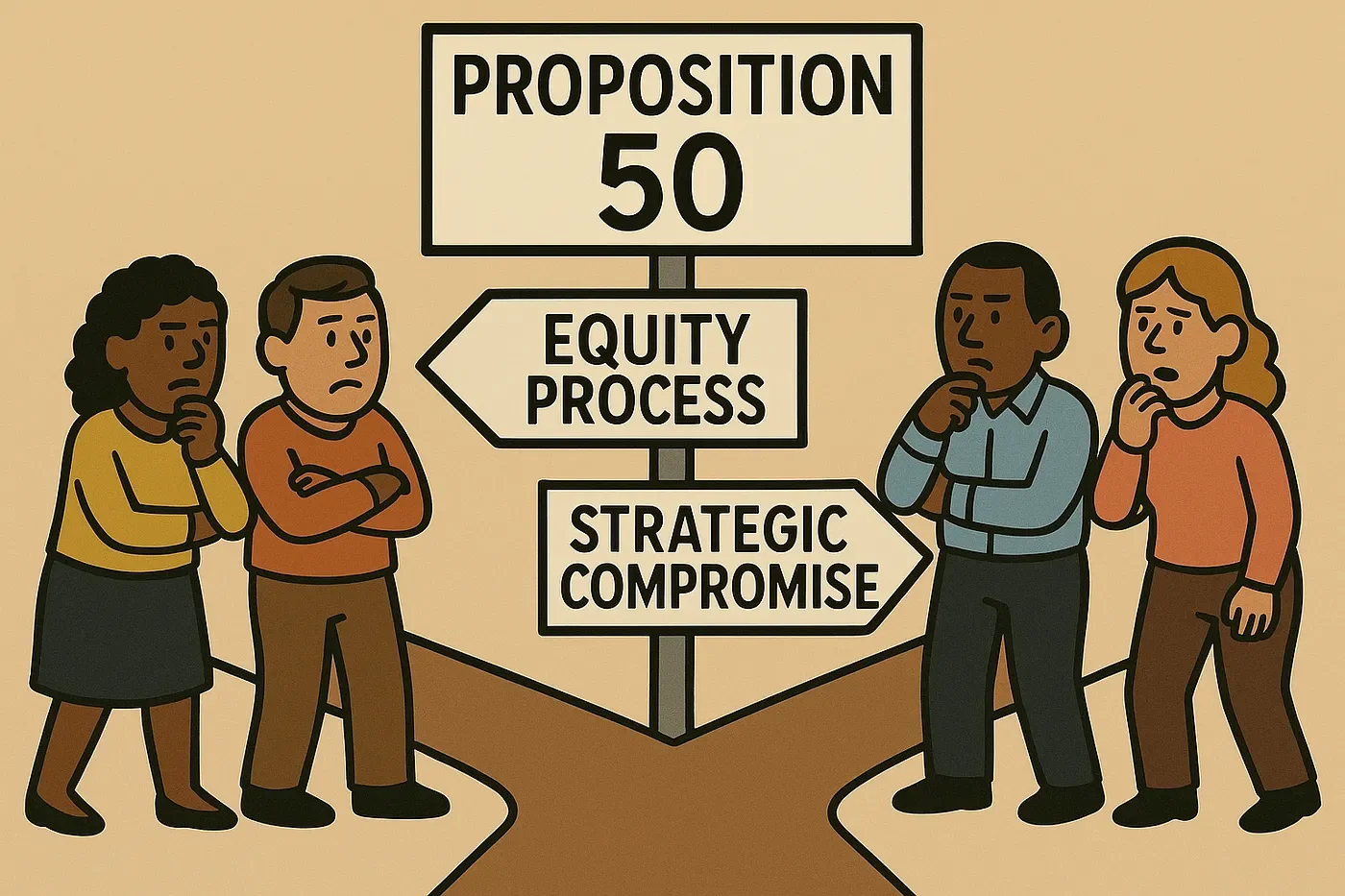
California’s Impossible Choice: Are We Taking a Step Back on Equity to Save Democracy?
When fighting for justice means making compromises we hate. A tough conversation about power, process, and who gets sacrificed in the name of politics. As someone who lives in California and has worked in both houses of Congress for Democratic politicians, I know firsthand how much these seats matter — not as abstract numbers, but as the difference between communities having a voice or being silenced.
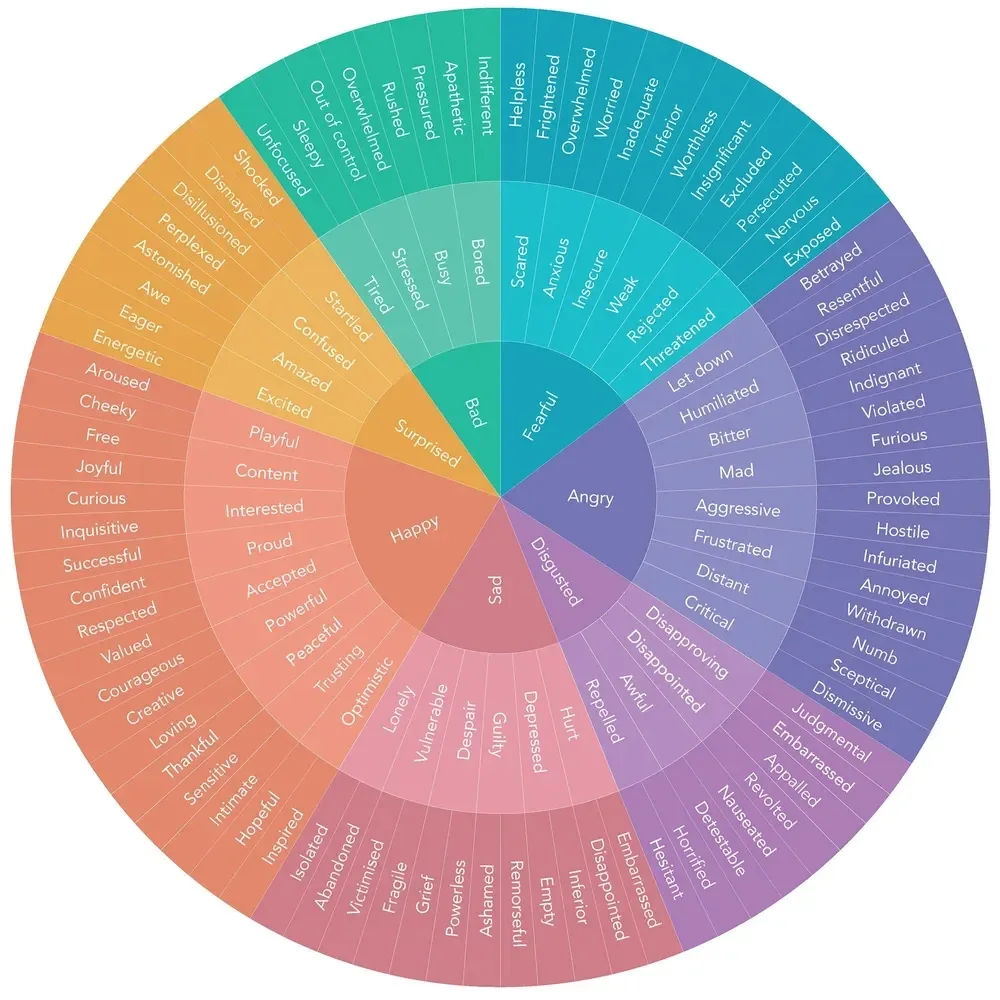
Preparing for the Future Means Feeling Now
We’re in the thick of polycrisis. Genocide. Climate catastrophe. Political gaslighting. Scrolling through the news in 2025 feels like drowning in grief, rage, and helplessness, on repeat. Every day, another blow. Another reminder that the systems around us are not built for our collective care. From the ongoing wars to wildfires choking our skies to the relentless attacks on democracy at home, the weight of this moment is undeniable.
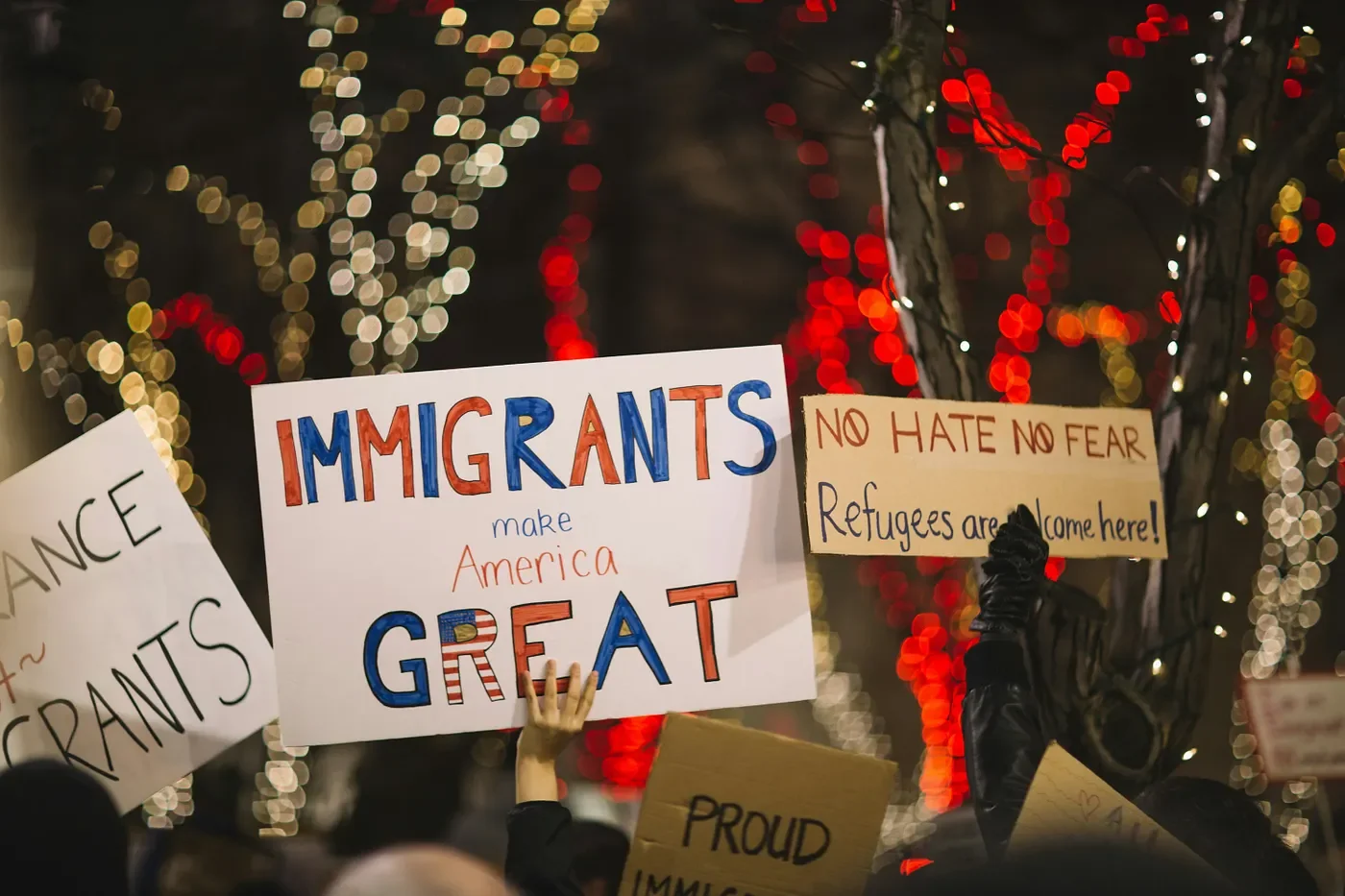
Standing Against the War on Immigrants: A Call to Action
If you’re still not sure whether the Trump administration is at war with immigrants, just look at Los Angeles today. The last time a U.S. President called in the National Guard without the support of state and local officials was during the Civil Rights movement, when President Lyndon B. Johnson called in federal forces to protect Civil Rights protestors. The parallel is unmistakable and deeply disturbing.
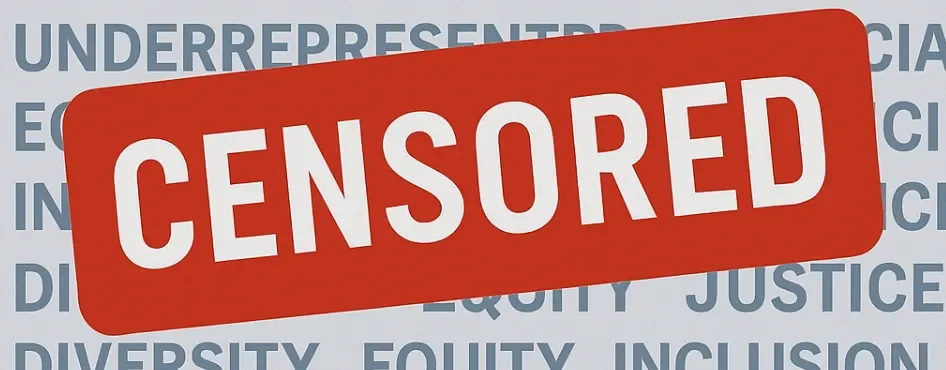
They Banned DEIB Words — We Code-Switch and Keep Going.
We’re living in a time where even the words we use to describe civil rights and human rights are being targeted. “Diversity.” “Equity.” “Inclusion.” “Belonging.” These aren’t just buzzwords — they are the foundation of the work many of us in the nonprofit sector do. They represent commitments to human dignity, to community, and to liberation.
Healing Through Action: Confronting Collective Trauma with Community Care
We know the last few weeks have felt like a rollercoaster, leaving many of us reeling, angry, confused, and exhausted. But we cannot afford to stay silent or still. We are not powerless. Our communities need us now more than ever, and each of us has a vital role to play in creating the change we need to see. Healing and resistance go hand in hand, and now more than ever, we must root into community care and collective action.
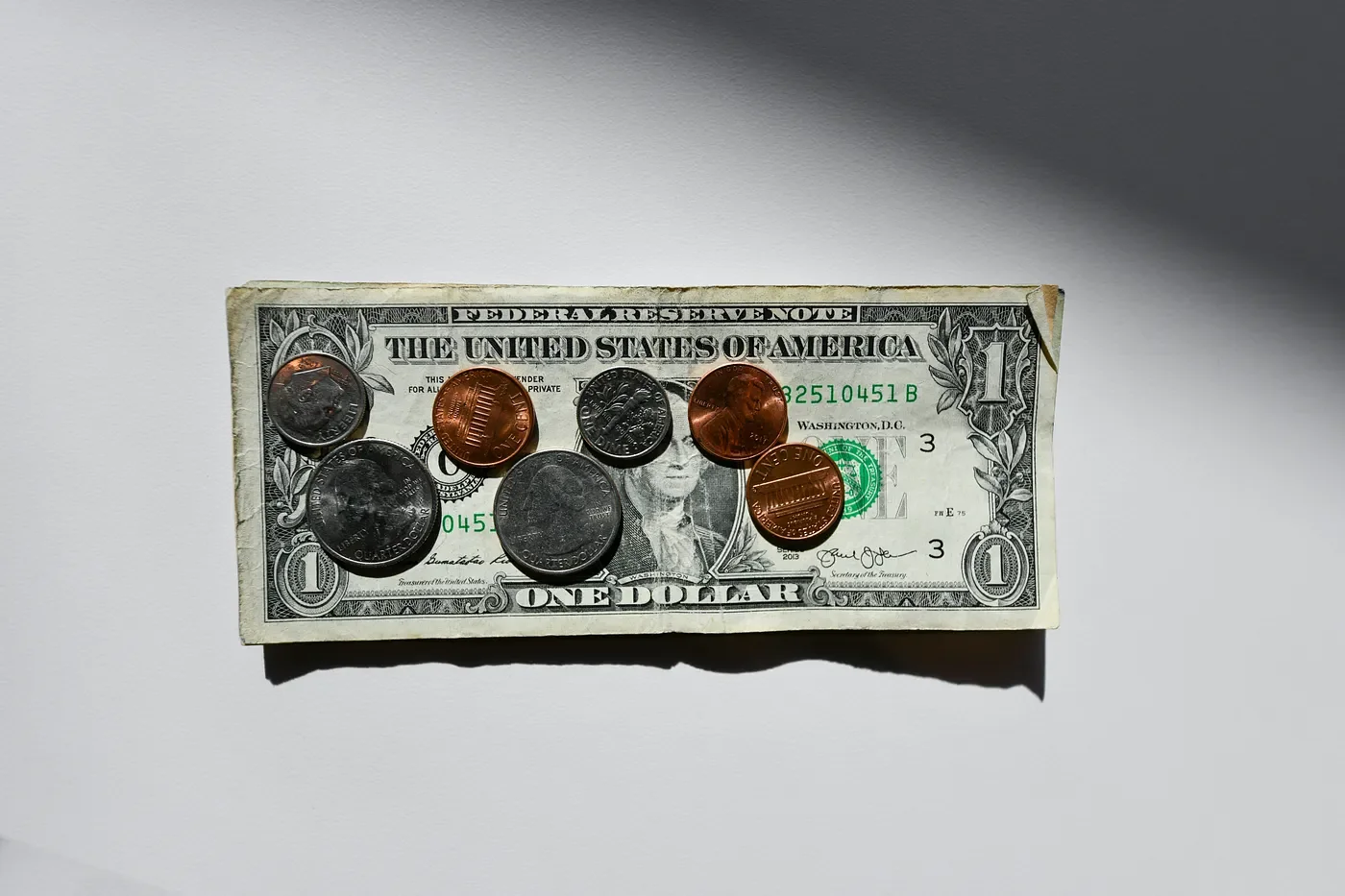
The Pay Crisis: Nonprofit Workers Deserve More than Poverty Wages
Supporting employee financial well-being is not just about retention. It’s about living up to the values we claim to hold as nonprofit leaders. If we truly believe in social justice, equity, and inclusion, we must extend those principles to the very people who make our work possible.
The Invisibility of Racial Trauma
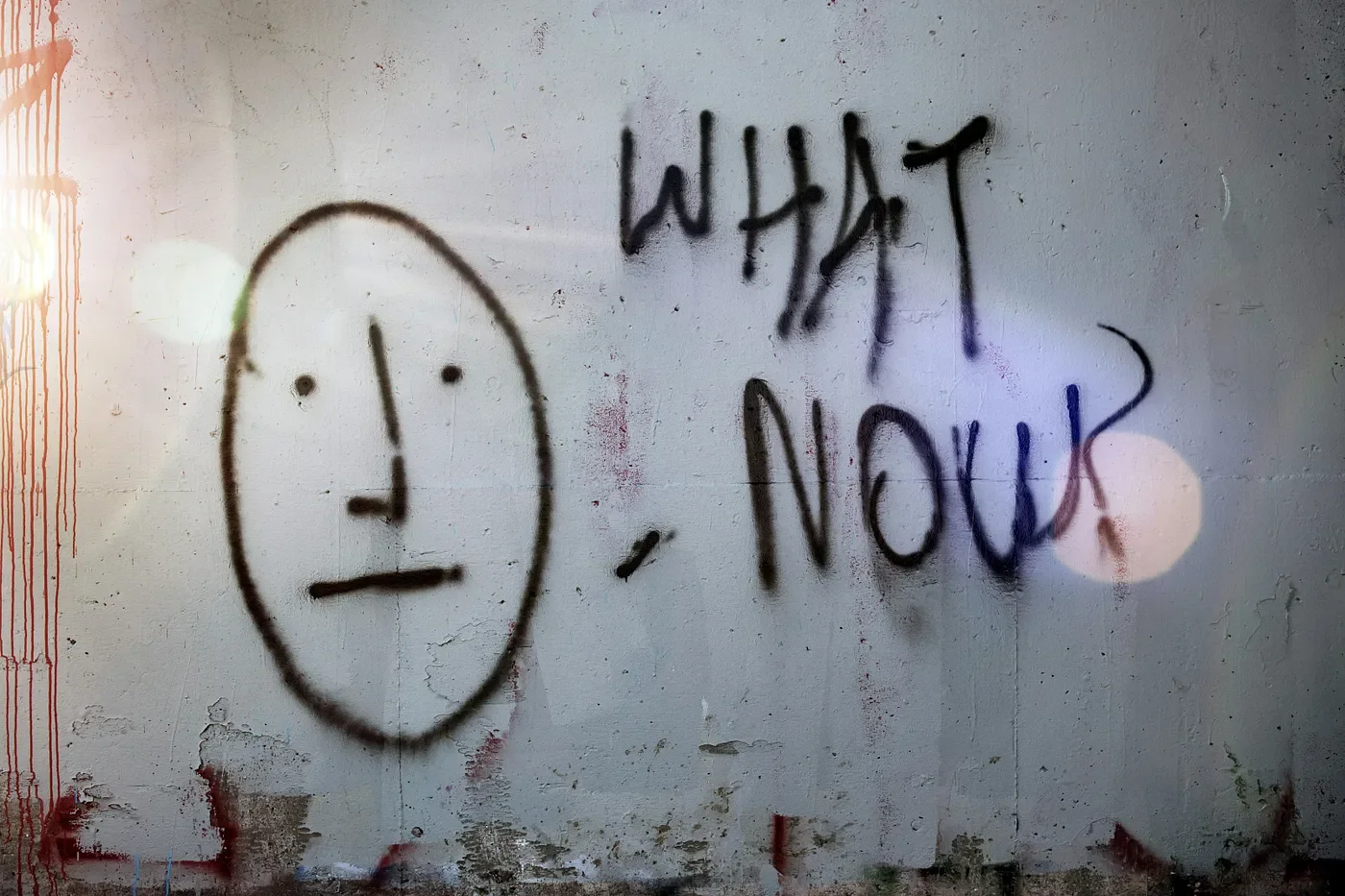
How many of us, particularly those of us who identify as Black, Indigenous, and People of Color (BIPOC)/Global Majority, have been gaslit, seen as shit starters, called “the problem woman of color,” or been told that we’re difficult? How quickly do we then notice the impact of racial trauma on our mental health?
Misogyny, Patriarchy, and Sexism in Asian America
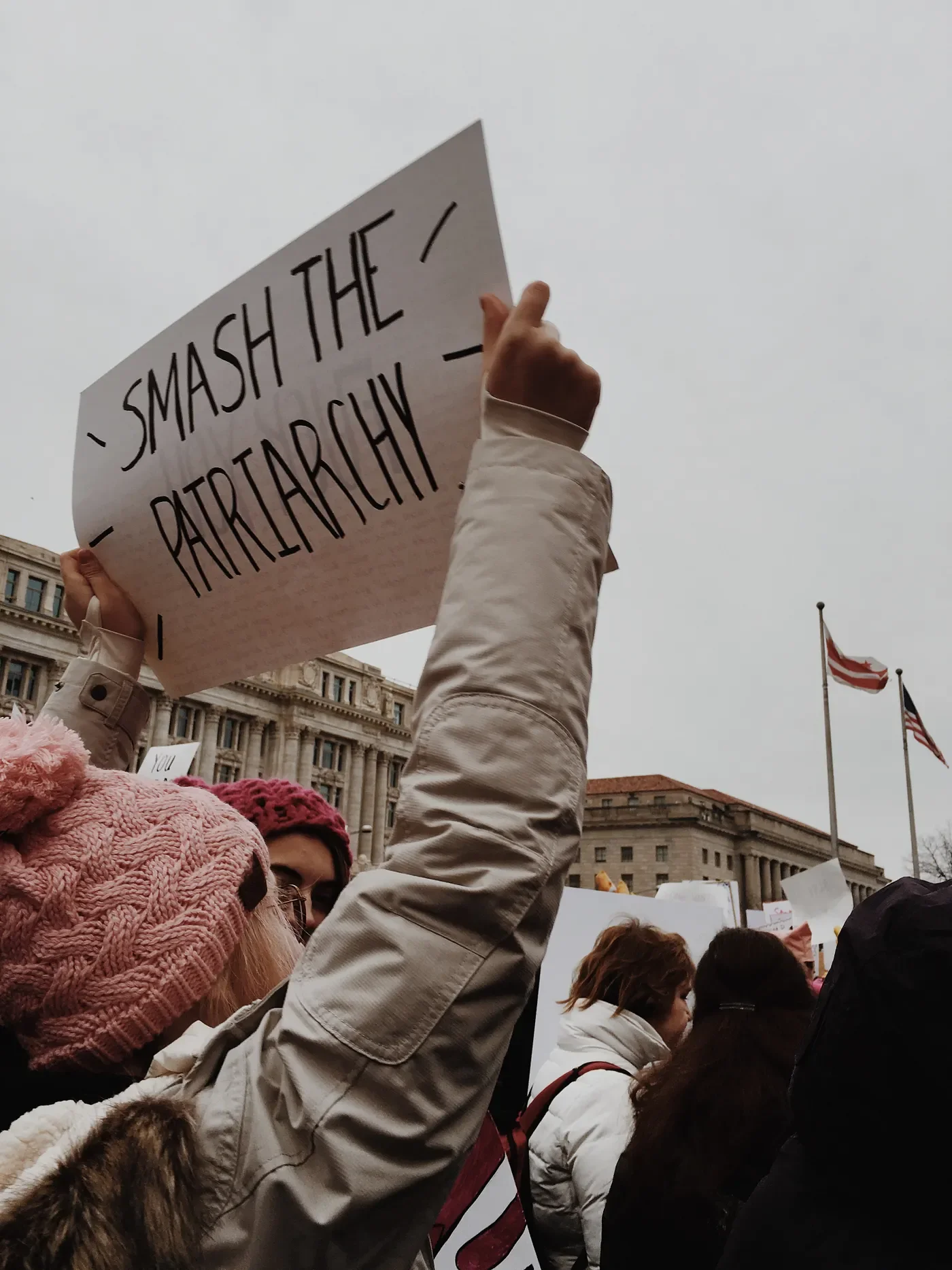
The truth is that we can’t end misogyny, patriarchy, and sexism on our own. These are forms of oppression that will take a lifetime of unlearning, recognizing biases, reframing, and empowering others to act. But by making some small moves forward, we can begin the process of transformation and dismantling the oppressions that Asian American women have to face.
Yes, Vote. But We’re Beyond Just Voting
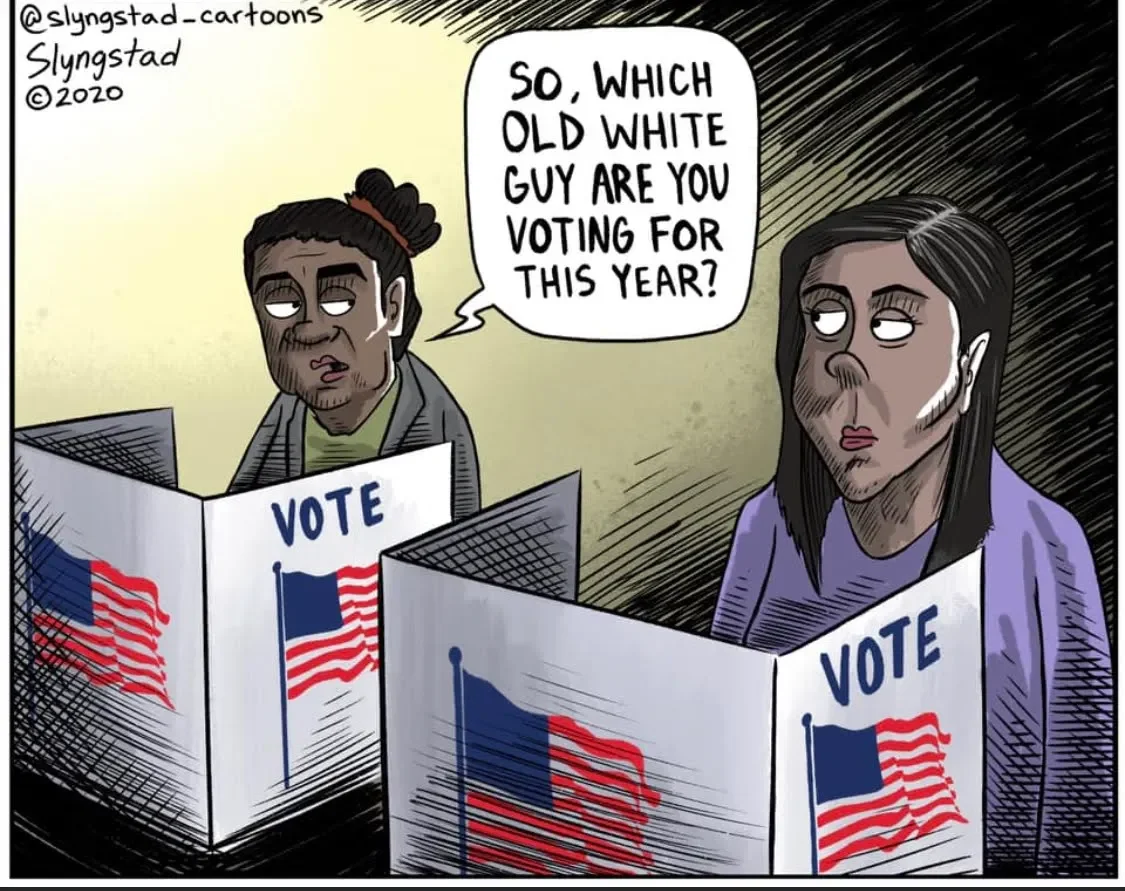
We’ve been told time and time again — if you don’t like what you see, go and vote. But voting is a privilege when you live in states like Texas, where voter suppression is alive and well. And if you’re not a U.S. citizen or if you’re under the age of 18, voting isn’t an option at all. So what else can we do?