If You're Not an Immigrant, You Don't Know What It's Like—Here's Why That Matters
By: Jess Ayden Li, Co-Founder/Principal Consultant at Healing Equity United
I am an immigrant. Sometimes, even those who have known me for years forget that because I speak fluent English without an accent.
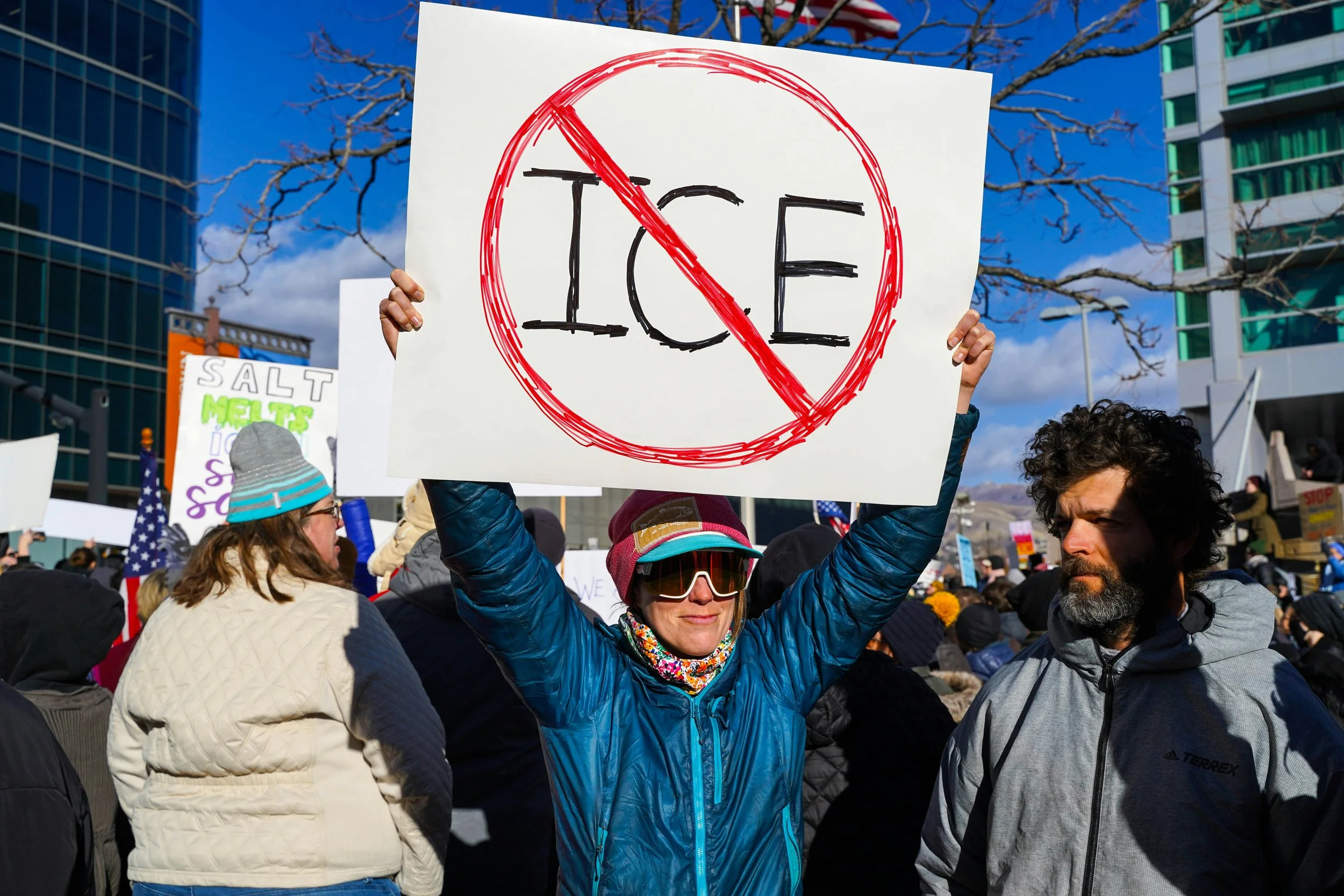
I've spent over a decade working with refugees resettling in the U.S., with internally displaced people in Africa, and with immigrants navigating systems designed to exclude them. And here's what I need to say, especially in this moment of ICE raids and state violence that took Renée Good's and Alex Pretti's lives in Minneapolis:
If you're not an immigrant, you don't know what it's like. And I need you to sit with that.
Most well-meaning people think they understand the immigrant experience. They empathize. They sympathize. They read articles, watch documentaries, nod along when we share our stories. But empathy and understanding are not the same as embodiment. They're not the same as living it in your bones.
It's like saying you understand what it's like to be Black in America because you've read about police violence (or witnessed police brutality). Or that you grasp what transgender people navigate because you support their rights. You can be an ally. You can learn. You can show up. But you cannot embody an experience that isn't yours.
Here's what it actually means to carry the immigrant identity:
It means people asking "where are you REALLY from" in a way that makes it clear your belonging here will always be questioned—no matter how long you've lived here, how perfect your English is, how American you seem.
It means never fully being accepted by the country you immigrated to and sometimes, by the country you left. You're in limbo.
It means being told that you should be grateful to have immigrated to the U.S., when in reality, refugees and some immigrants would never have left home if they could envision a safe and fulfilled future.
It means practicing what you'll say when officials ask why you came here—knowing that anything short of "America is a great country" or "I wanted freedom" will be met with suspicion.
It means watching the country you've built a life in debate whether you deserve to exist here. Watching politicians campaign on your removal. Watching your neighbors and even family members vote for people who want you gone.
It means calculating risk for activities most Americans never think twice about: getting an ID at the Department of Motor Vehicles, picking up your kids from school, going to a doctor's appointment, walking through an immigrant neighborhood. Every errand is a cost-benefit analysis.
It means carrying the weight of everyone back home who's counting on you. Your success isn't just personal—it's familial, communal, sometimes national. Your failure isn't just yours either. They expect success and riches because that's the narrative the U.S. sells overseas.
It means living with the knowledge that your legal status—or lack thereof—could evaporate your entire life overnight. Your job. Your home. Your children's schooling. Everything.
Before the current crisis, this was already our reality. The difference now is the volume's turned up. The violence is more visible. The terror is harder to ignore.
So here's what I need from non-immigrant Americans right now:
You may never embody the immigrant experience—but you can absorb its reality enough to let it change how you move through the world.
That means listening more than you speak. Following immigrant leadership rather than centering your own feelings or ideas about what we need. Leveraging your privilege to show up differently precisely because this isn't your lived experience. Your outrage about Minneapolis needs to translate into something more than social media posts or texts to friends about how horrible everything is. We've been living with this terror long before it made headlines. We'll be living with it long after you move on to the next crisis.
Here's my question for you: What are you willing to risk? Not just feel bad about—actually risk?
Are you willing to be uncomfortable in spaces where people express anti-immigrant views? Are you willing to use your relative safety to create actual protection? Are you willing to disrupt business as usual when immigrant neighbors are being hunted?
Because empathy without action is just spectating. And we don't need an audience. We need co-conspirators.
Tell me in the comments: What's stopping you from moving from empathy to action? What are you actually willing to risk? What would it cost you to show up in a way that actually matters?
I'm not asking you to perform allyship. I'm asking you to be honest about what you're prepared to do—and what you're not.
I'm listening.